Lesson 1
American Colony Design Challenge
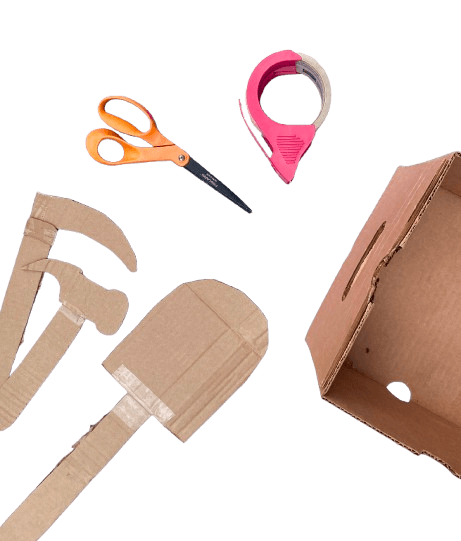
Students research Colonial American technology and collaborate to build a historically accurate cardboard model to present to the class.
History
Students explore Colonial American life and technology, researching tools and inventions that shaped early American society.
Design Engineering
Students apply basic engineering principles to plan and construct a cardboard model, thinking through structure, function, and design.
Art
Students bring their research to life through hands-on model making, translating historical references into a physical, visual form.
Lesson 1
American Colony Design Challenge
Students research Colonial American technology and collaborate to build a historically accurate cardboard model to present to the class.
History
Students explore Colonial American life and technology, researching tools and inventions that shaped early American society.
Design Engineering
Students apply basic engineering principles to plan and construct a cardboard model, thinking through structure, function, and design.
Art
Students bring their research to life through hands-on model making, translating historical references into a physical, visual form.
Lesson 4
Poetry and History: Pittsburgh at Night
Students analyze a 1926 painting of industrial Pittsburgh and use close observation to write poetry and research the history of industrialization.
Language Arts
Students write poetry and narratives directly inspired by the painting, using visual observation as the starting point for written expression.
Social Studies
Students research the industrial significance of Pittsburgh, the Bessemer steel process, and the working conditions during the industrial period.
Art
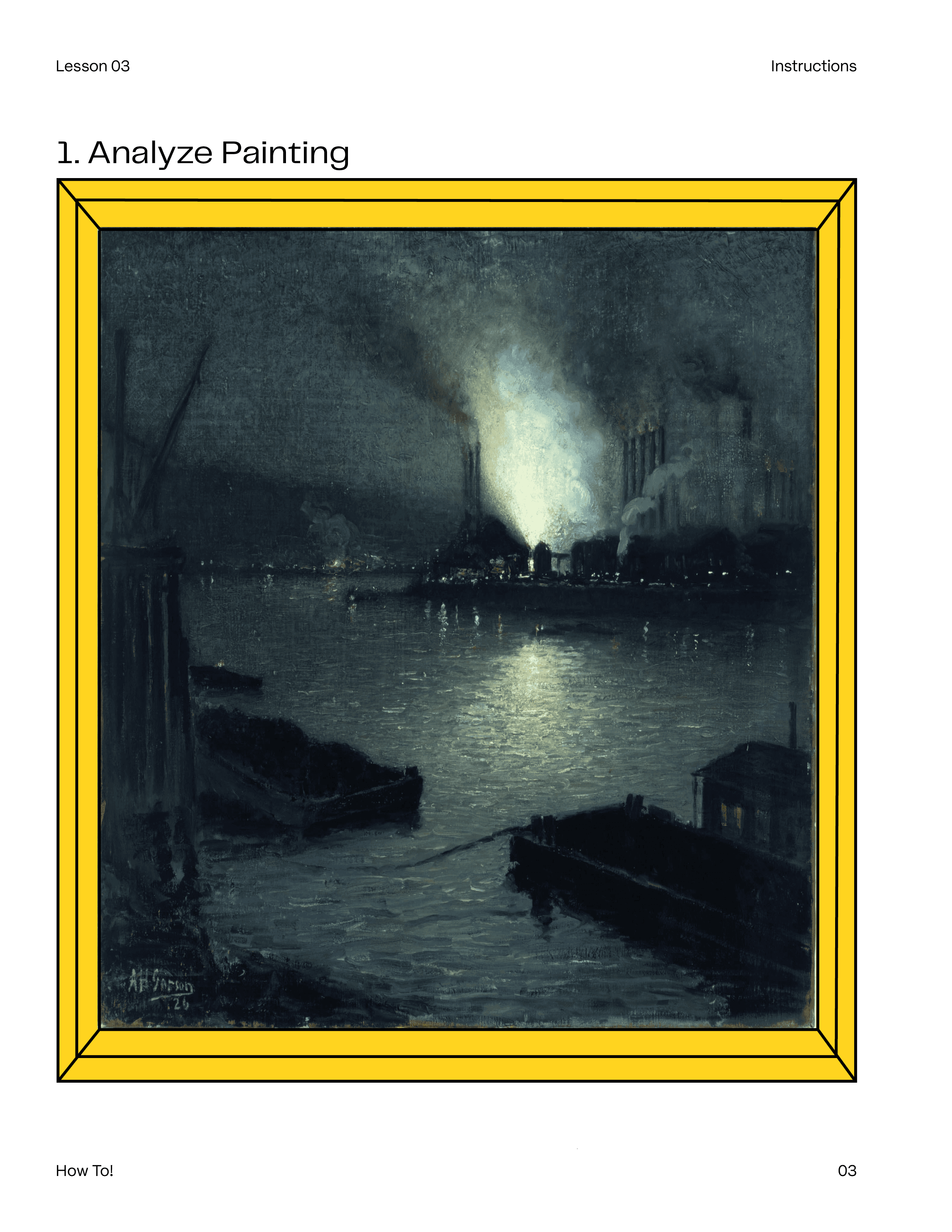
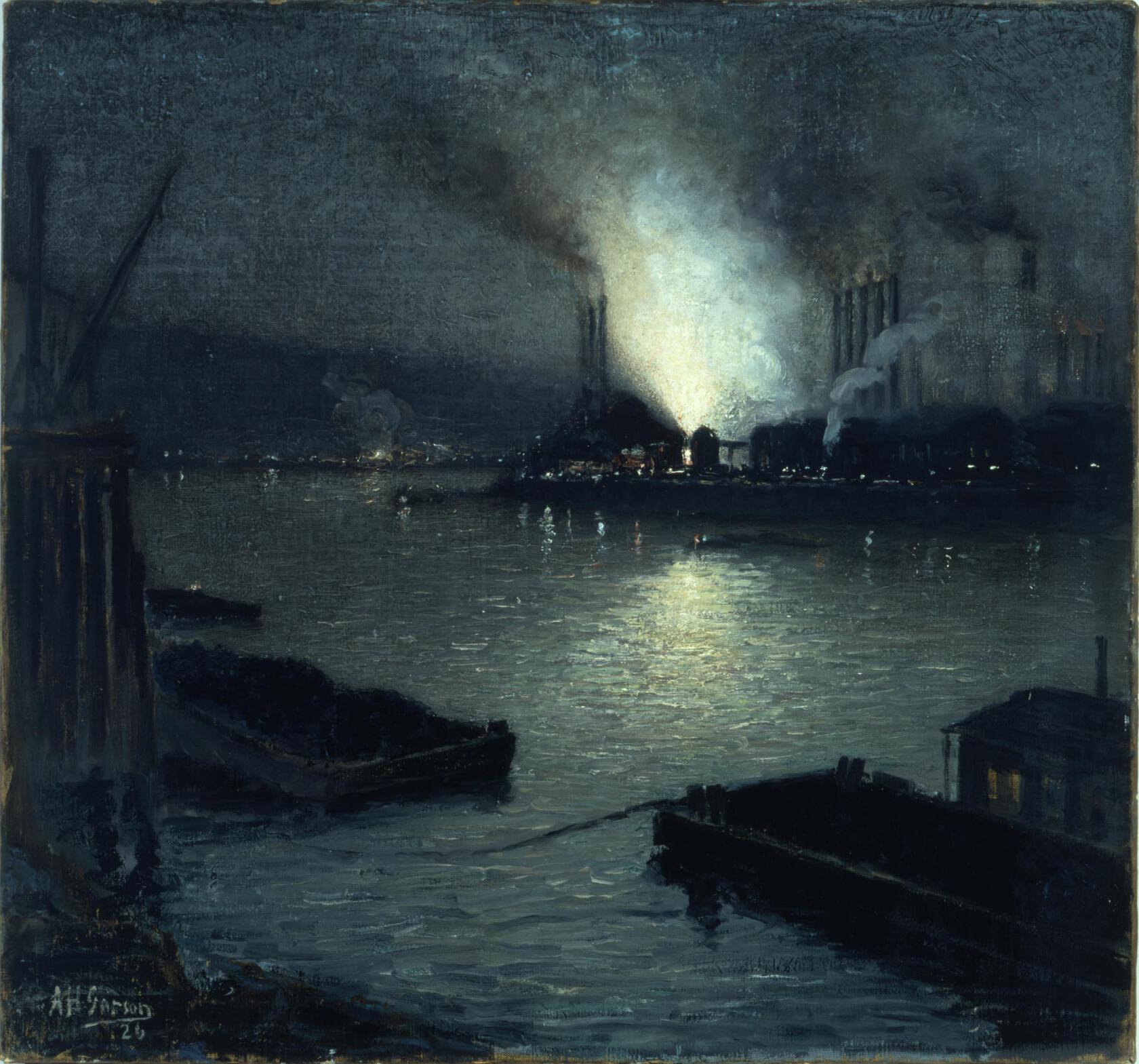
Students analyze Gorson's Pittsburgh at Night, examining how the artist's use of light, color, and composition reflect the mood of industrial America.
Student Worksheet
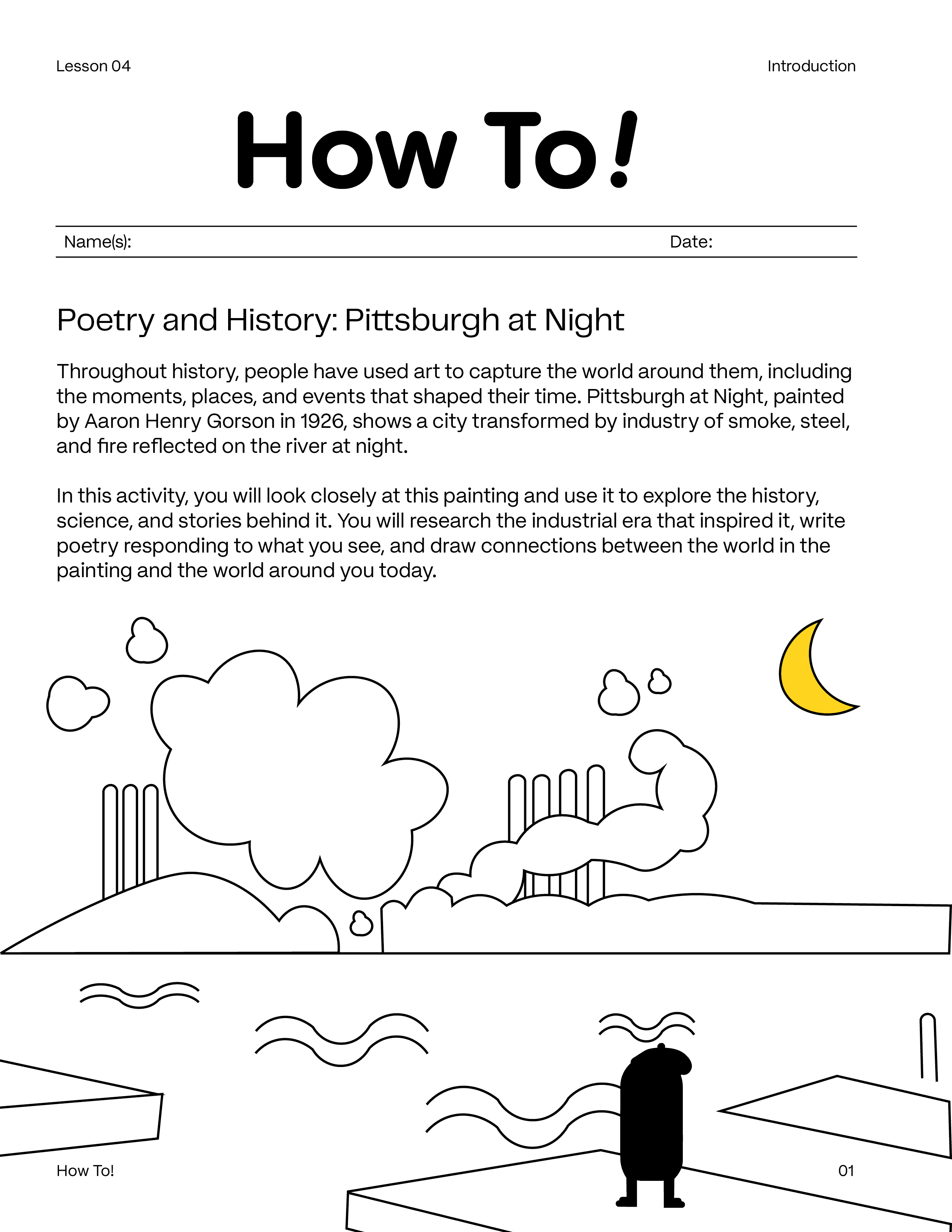
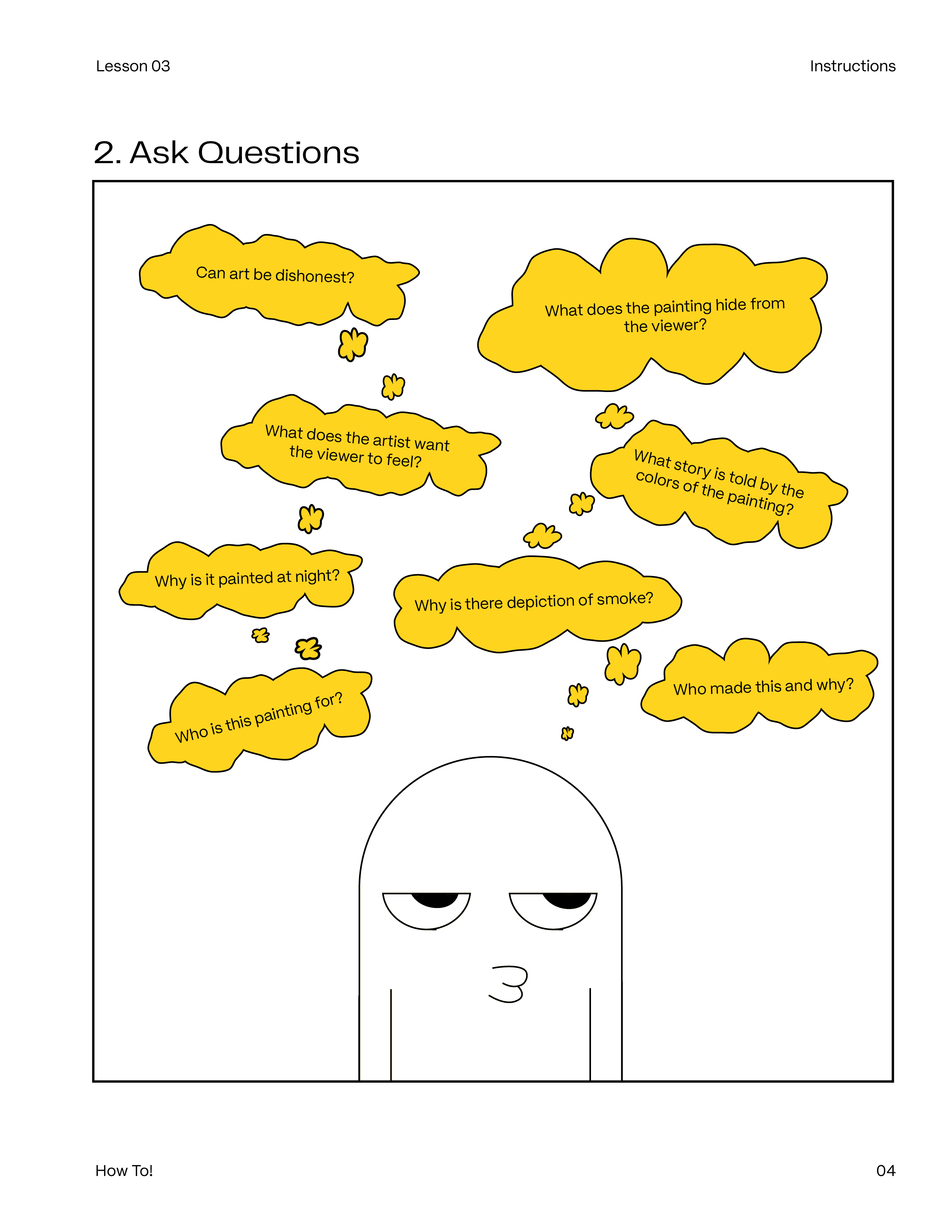
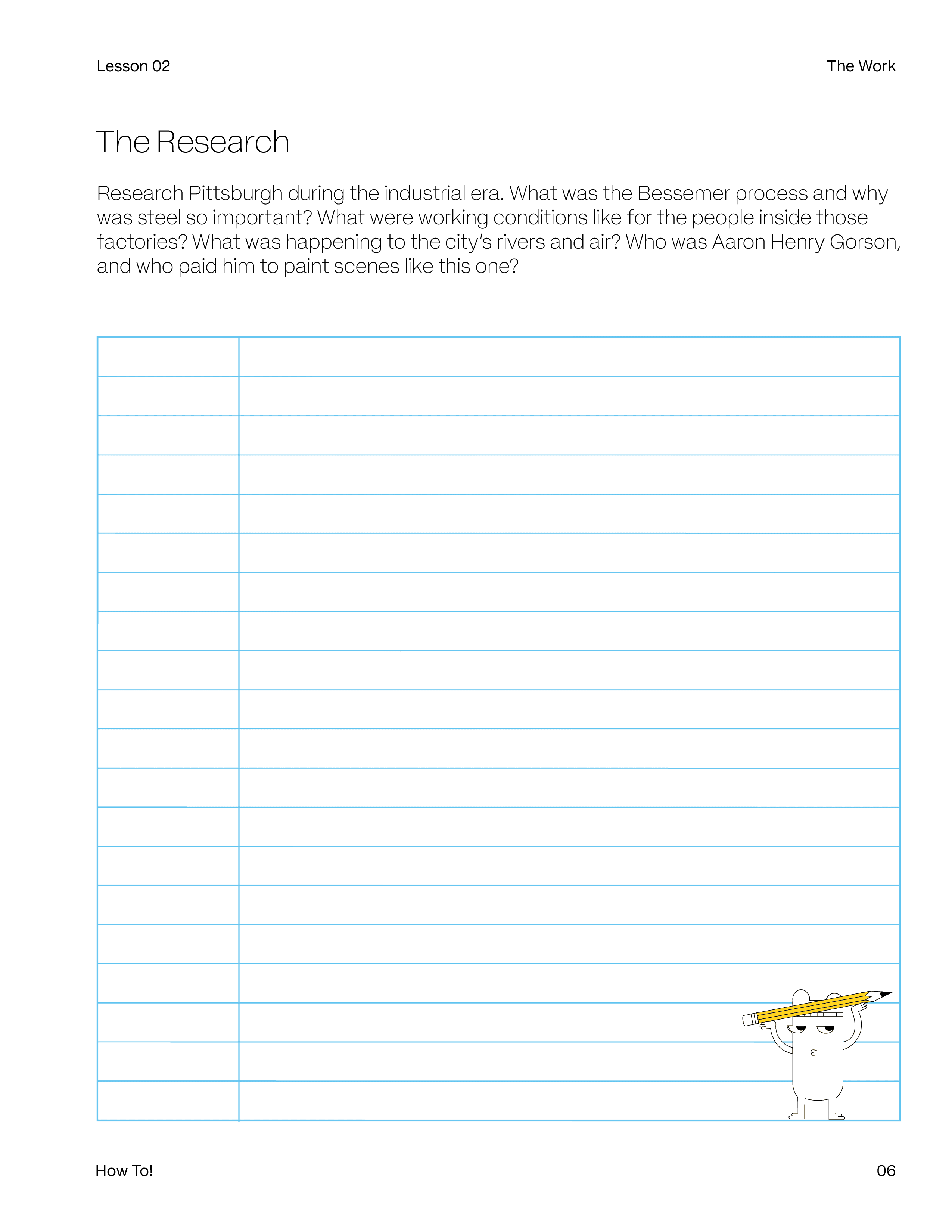
The student worksheet guides learners through a structured close observation of Aaron Henry Gorson's Pittsburgh at Night before moving into research and writing. Visual prompts walk students through analyzing the painting, developing vocabulary, and constructing their poem, with a final reflection section where students connect their creative work back to the historical content of the lesson.
Lesson Prompt
Every activity in this lesson begins with a single image, Aaron Henry Gorson's Pittsburgh at Night, painted in 1926. Students use the painting as their primary source, reading it the way they would a text, observing, questioning, and responding through writing, research, and drawing.
Lesson sourced from Carnegie Museum of Art
Lesson 1
American Colony Design Challenge
Students research Colonial American technology and collaborate to build a historically accurate cardboard model to present to the class.
History
Students explore Colonial American life and technology, researching tools and inventions that shaped early American society.
Design Engineering
Students apply basic engineering principles to plan and construct a cardboard model, thinking through structure, function, and design.
Art
Students bring their research to life through hands-on model making, translating historical references into a physical, visual form.
Lesson 1
American Colony Design Challenge
Students research Colonial American technology and collaborate to build a historically accurate cardboard model to present to the class.
History
Students explore Colonial American life and technology, researching tools and inventions that shaped early American society.
Design Engineering
Students apply basic engineering principles to plan and construct a cardboard model, thinking through structure, function, and design.
Art
Students bring their research to life through hands-on model making, translating historical references into a physical, visual form.